


Your brand’s design work plays a very important role in communicating who you are and what you’re all about. Graphic design sets the tone and is a dynamic way to lend credibility, Plus, it’s oftentimes your audience’s first impression. This makes catching their attention and drawing them in imperative.
But attention-grabbing work isn’t enough. A brand’s visual identity must also be purposeful. And we don’t design to trends, because trends don’t last and you don’t want your brand to follow suit.
Your brand identity (or visual identity) is more than just a logo. You need a complete visual identity design—including colors, fonts, supporting graphics, and typography—and a digital library full of assets for the brand to leverage. You also need a comprehensive brand standards guide, which allows your entire organization to apply these pieces consistently. Together, these help set the tone, which is a hugely important piece of your overall design strategy. Getting tone right allows you to fit into your industry category, appeal to different demographics, and properly position your company amongst your competition. For instance, font choice can communicate something about your company. A bold heavy choice can convey that you are a solid choice, while a light, nuanced choice can demonstrate something completely different. A font can (and should!) also be chosen pragmatically to serve a specific utilitarian purpose. A specific shade of blue or a color combination can elicit a specific emotional response. An icon can be used to communicate the industry your company is working inside of. A letter monogram can convey legacy.
Once the foundational strategy pieces are defined, design plays a pivotal role in bringing them to life to create memorable connections with your audience. So first things first. Let’s design something that matters.
Here’s what this has looked like for one of our clients, Albie’s.
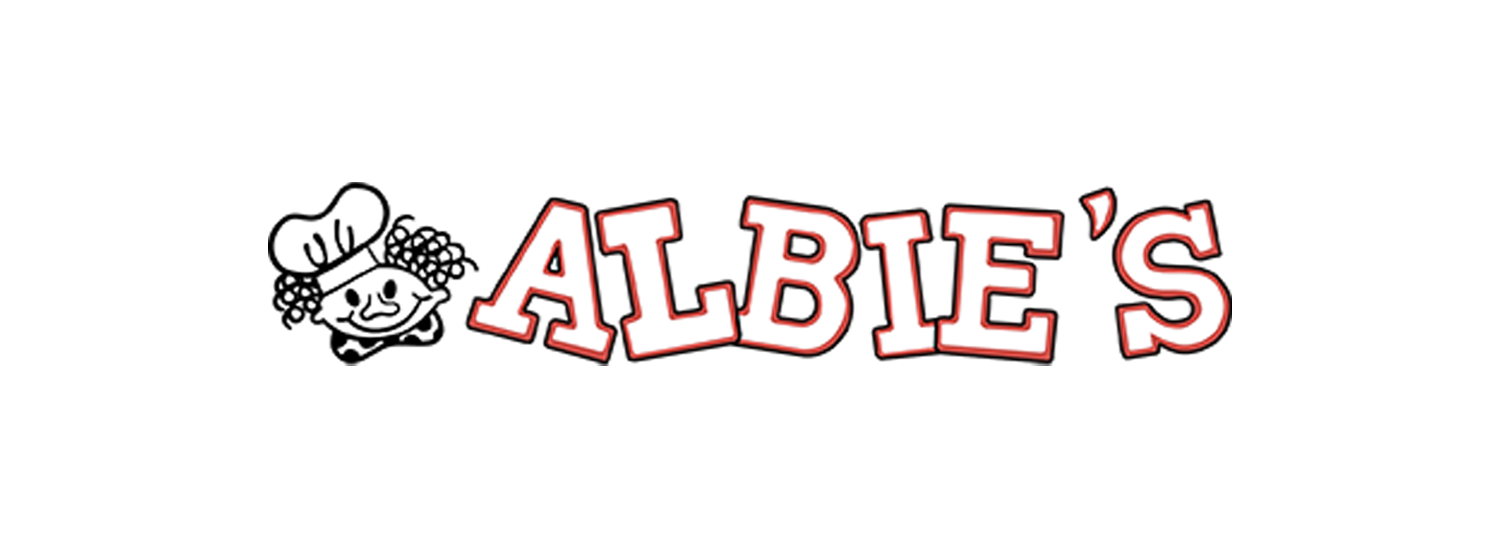
We took Albie’s, an established Michigan-based food manufacturer serving K-12 meals, from this…
to this…
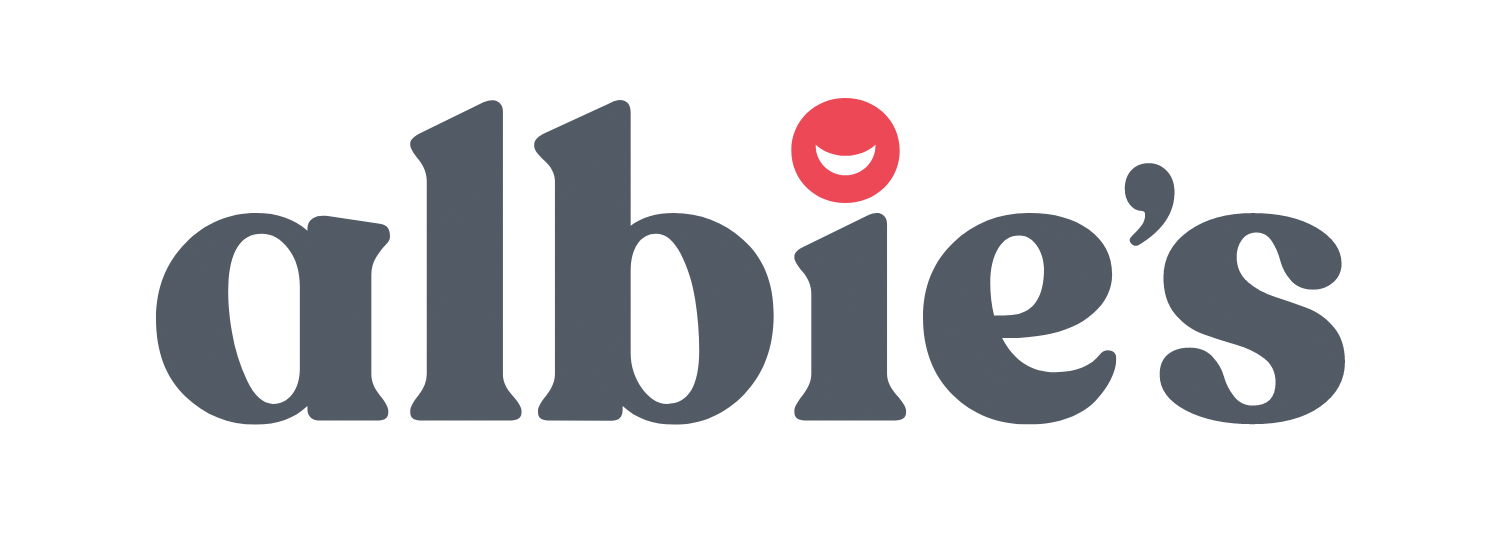
And it all started with our objectives, which include conveying professionalism, to speak to food service directors who make purchasing decisions, as well as fun, to appeal to the children who ask for and eat these meals. We also wanted to make the brand more positive and enthusiastic, while demonstrating the quality and care that goes into making the food.
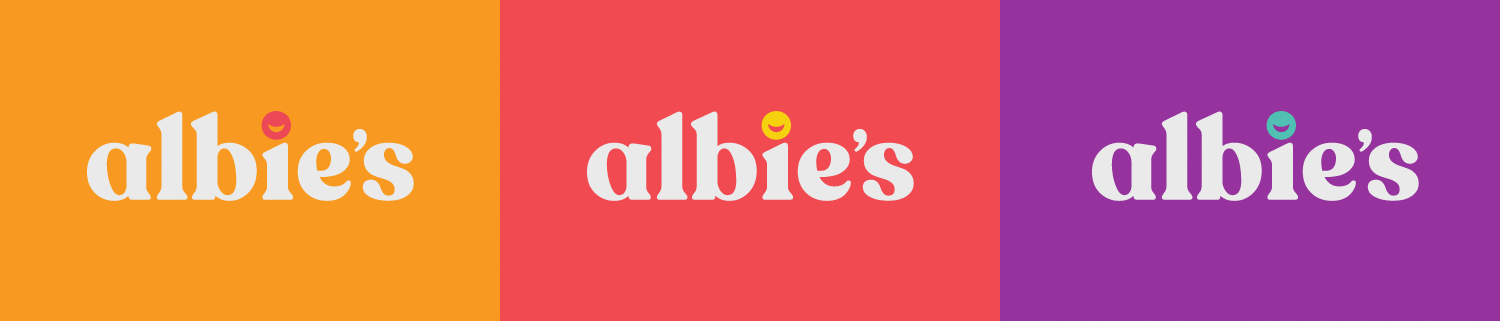
For this reason, the new color palette is fun, fresh, and exciting. The font used in the logo is Recoleta Alt Bold, which combines a variety of ingredients from various popular 1970s typefaces—such as the soft and gentle shapes and the angled strokes—to create one single design that features familiar, yet fresh, modern flavors. It conveys stability in its bold lettering and also creates a sense of joy and happiness, seen in the letter “e” that looks like it’s smiling and the use of lowercase letters that keep everything feeling approachable and casual.
Meanwhile, the visual representation of the new Albie’s tagline utilizes a handwritten font to provide balance to the more structured font of the logo. You’ll notice that the smile in the new logo is incorporated in the word “yum” as the “u” to build a connection to the new VI.
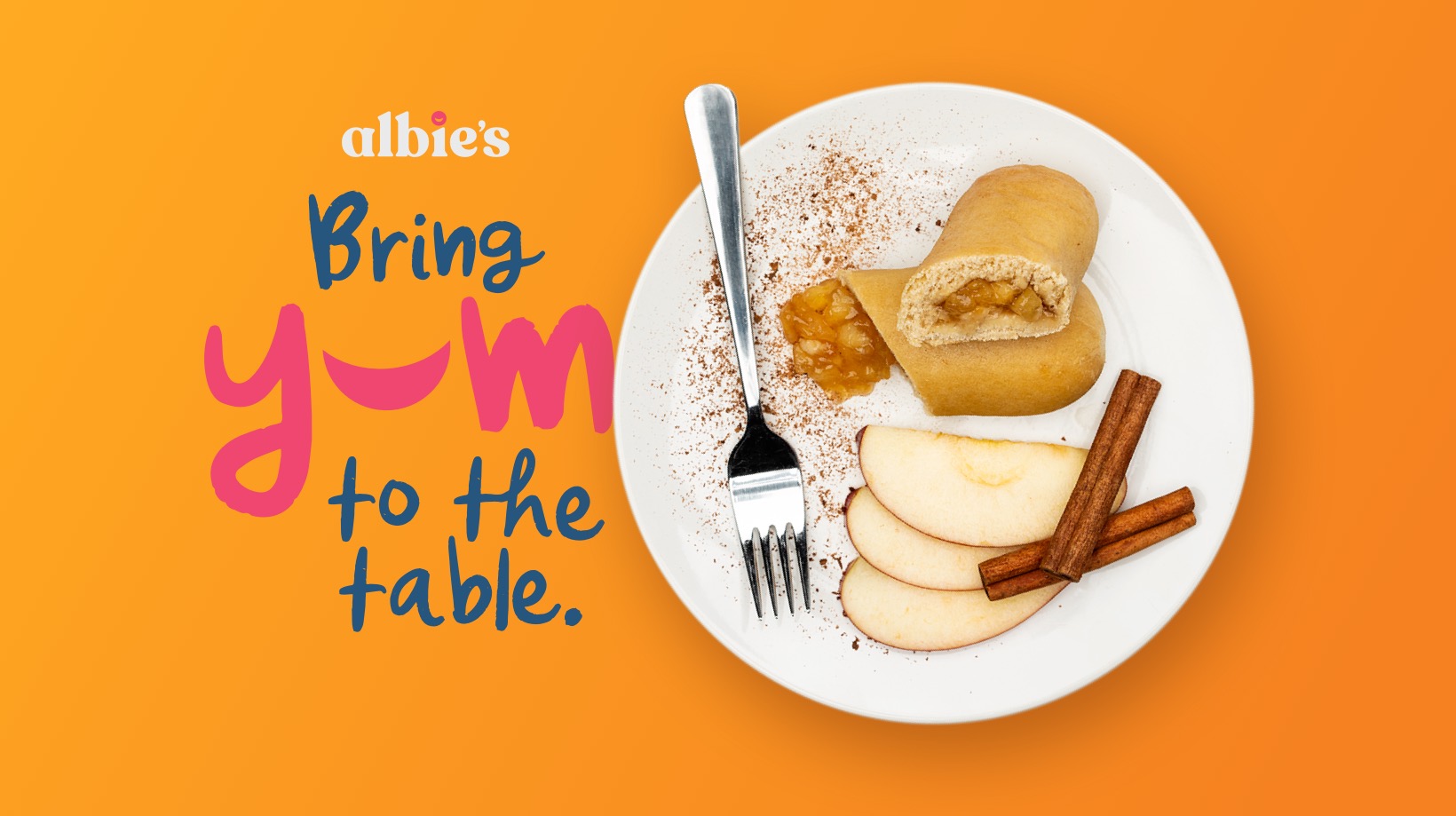
Ultimately, all of these pieces helped inform their new website.
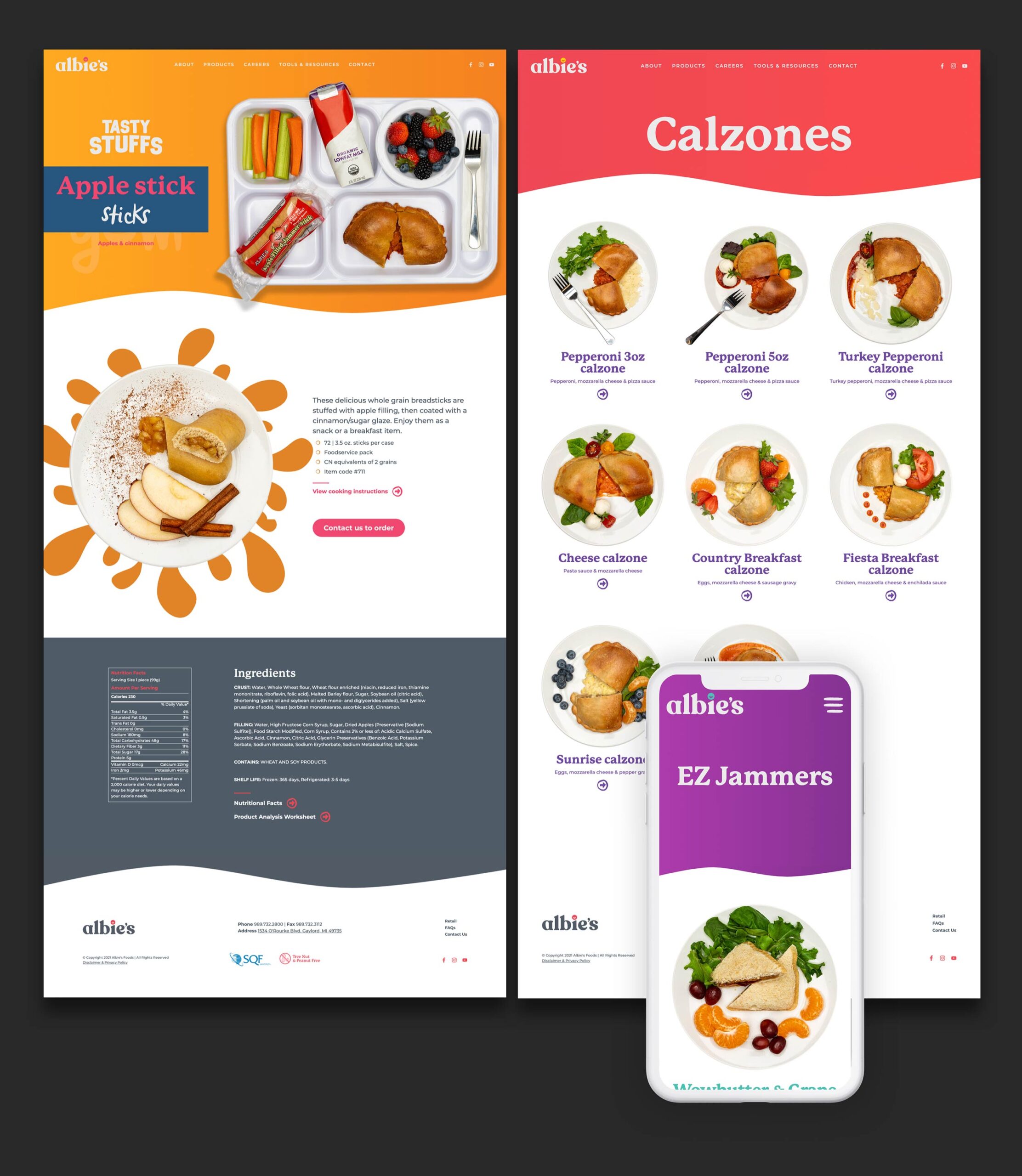
In totality it appeals to both target consumers and positions the brand as warm, playful, and focused on keeping kids fed and their bellies happy.

As you can see, deliberate decisions can go a long way in establishing a brand identity that lasts. When rooted in strategy, your logo, color scheme, font choices, and more can go to bat for your brand, building credibility, providing awareness, and communicating who you are and what you stand for. Don’t underestimate the power that lies in well-executed design.